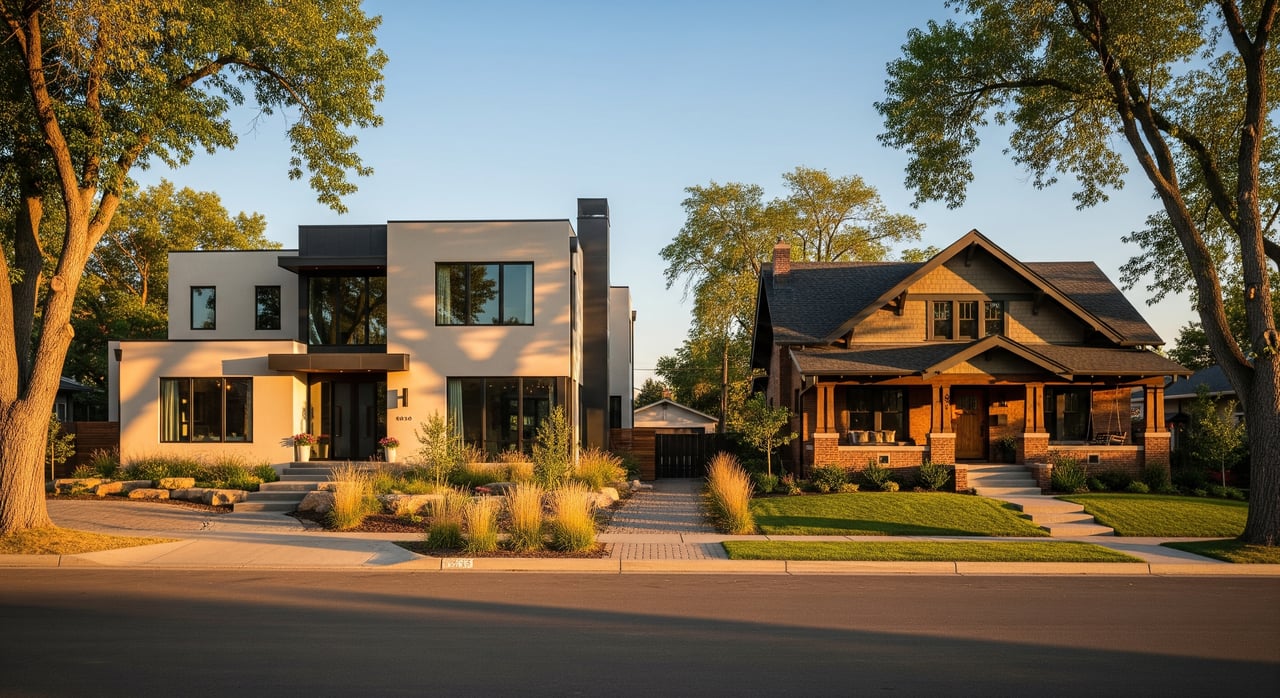
New Construction vs. Resale in Firestone
January 15, 2026
January 15, 2026
Shopping for a home in Firestone and torn between the shine of new construction and the character of a resale? You are not alone. With steady growth in Weld County and a mix of master-planned communities and established neighborhoods, you have real choices to weigh. In this guide, you will learn how costs, warranties, timelines, and negotiation power differ so you can choose what fits your budget and timing. Let’s dive in.
Firestone sits in a growing corner of Northern Colorado, where new subdivisions rise alongside mature neighborhoods. That means you can shop brand-new builds, quick-move-in inventory, and well-kept resales in the same weekend. Each path has tradeoffs in cost, timing, and flexibility.
Regional growth trends support this variety. For broad context, Weld County’s population has expanded in recent years, reflecting steady housing demand across the area. You can explore county-level stats on the U.S. Census Bureau’s QuickFacts for Weld County to understand the broader backdrop.
New construction often advertises a base price that looks competitive. Once you add a lot premium and design center upgrades, the final price may climb. Builders sometimes offer closing cost credits or rate buydowns, but these incentives can come with conditions.
Resale homes present a different cost profile. You might negotiate a price reduction or seller credits, but you should also plan for repairs or updates after closing. Appraisals tied to recent comparable sales can influence your final negotiation room.
Newly built homes are typically more energy efficient and may include manufacturer warranties on appliances and systems. Early maintenance costs can be lower. In many new subdivisions, HOA dues cover common-area upkeep, so factor those monthly costs into your budget.
With resales, aging systems can add near-term expenses. Roofs, HVAC units, and water heaters may be closer to replacement. On the plus side, established neighborhoods often have transparent HOA histories and known patterns for dues or assessments.
Most builders follow a familiar warranty structure. A common model includes a 1-year workmanship warranty for finishes, a 2-year systems warranty for electrical, plumbing, and HVAC, and a 10-year structural warranty for major load-bearing defects. Many builders use third-party administrators. For a plain-language overview of how these warranties are typically organized, you can review resources from 2-10 Home Buyers Warranty.
Resale homes do not come with a builder warranty by default. Some sellers offer a one-year home warranty policy, but coverage varies. Your main protection is a thorough inspection and the repairs or credits you negotiate.
New does not mean perfect. Common punch-list items in new builds include grading and drainage tweaks, HVAC balancing, caulking, paint touch-ups, and incomplete finishes. A professional inspection before final acceptance is recommended. The American Society of Home Inspectors provides a starting point for understanding inspector qualifications and best practices.
For both new and resale homes in Colorado, radon testing is a smart step. The EPA recommends testing every home for radon, and many Front Range properties report elevated levels. Read more about testing guidance and mitigation on the EPA’s radon page.
Local permitting, weather, materials, and city inspections can extend builder timelines. Confirm delivery dates and what happens if schedules slip.
With new construction, leverage depends on the builder’s inventory and sales pace. Common concessions include closing cost credits, interest rate buydowns, upgrade packages, and discounts on unsold spec homes. Builders may use their own contracts and limit certain contingencies, but many terms are negotiable with experienced representation.
For resales, negotiation points include price, seller-paid repairs, credits at closing, included appliances, and flexible dates. Your leverage often reflects market temperature, competing offers, and appraisal results.
New construction pros:
New construction cons:
Resale pros:
Resale cons:
Ask yourself these questions:
Simple guidance:
An experienced buyer’s agent helps you control risk and costs in either path. In Colorado, licensed brokers work within a regulated framework designed to protect consumers. You can learn more about the state’s oversight through the Colorado Division of Real Estate.
Here is how a skilled agent keeps you covered:
At Due South Realty, you get boutique, hands-on guidance through each step, from comparing scenarios to enforcing punch lists and negotiating credits. We marry neighborhood insight with practical construction and staging know-how so you can buy with clarity and confidence.
If you are weighing new construction against a resale in Firestone, you do not have to decide alone. We will help you model costs, compare timelines, and negotiate protections that fit your goals. Ready to get clear on your best path? Reach out to the team at Due South Realty for a friendly consult.
January 15, 2026

January 1, 2026
December 18, 2025
December 4, 2025

November 21, 2025
November 6, 2025
October 16, 2025

Real Estate
October 9, 2025
Upgrade Your Louisville Home with These Must-Have Smart Devices
Real Estate
September 25, 2025
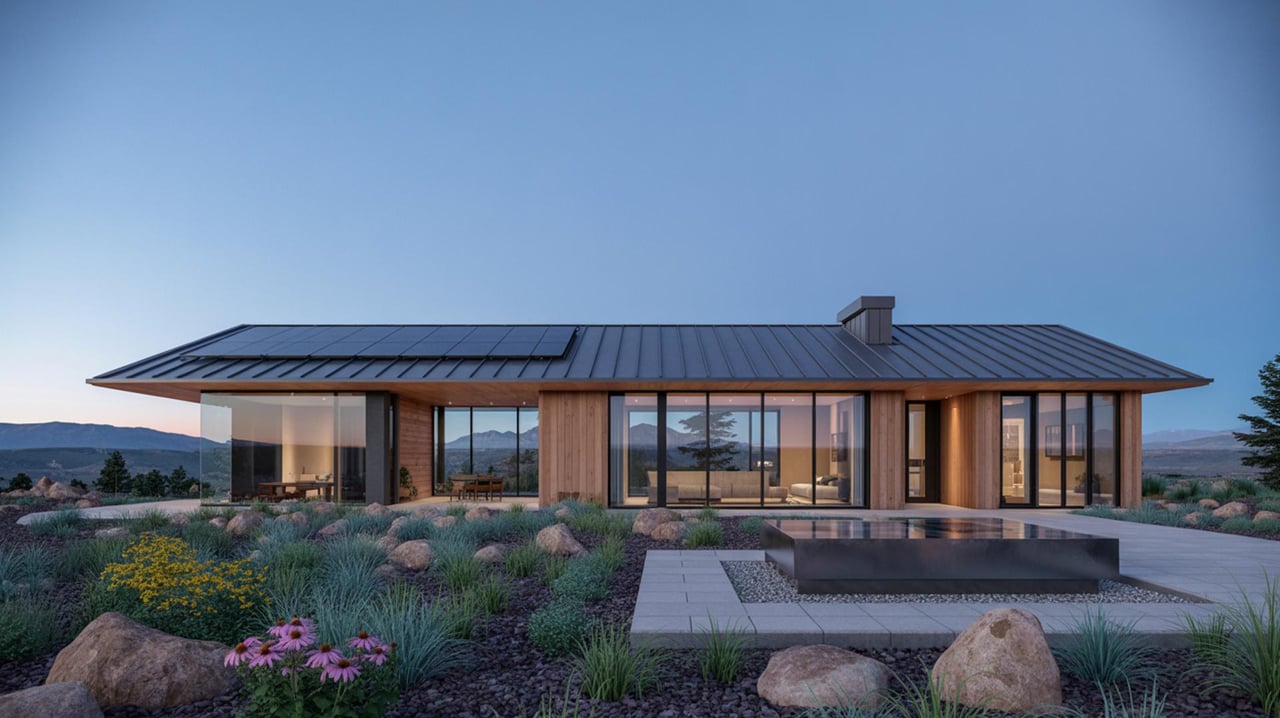
Enhance Your Lafayette Home with Eco-Friendly Improvements
Our mission is to actively serve our community, not passively but proactively. We aim to overcome uncertainty with clarity, choosing not to disengage but to actively engage and build upon ideas within our community. Through buying and selling homes, we aspire to help people fulfill their dreams.

802 S PUBLIC RD STE A LAFAYETTE CO 80026