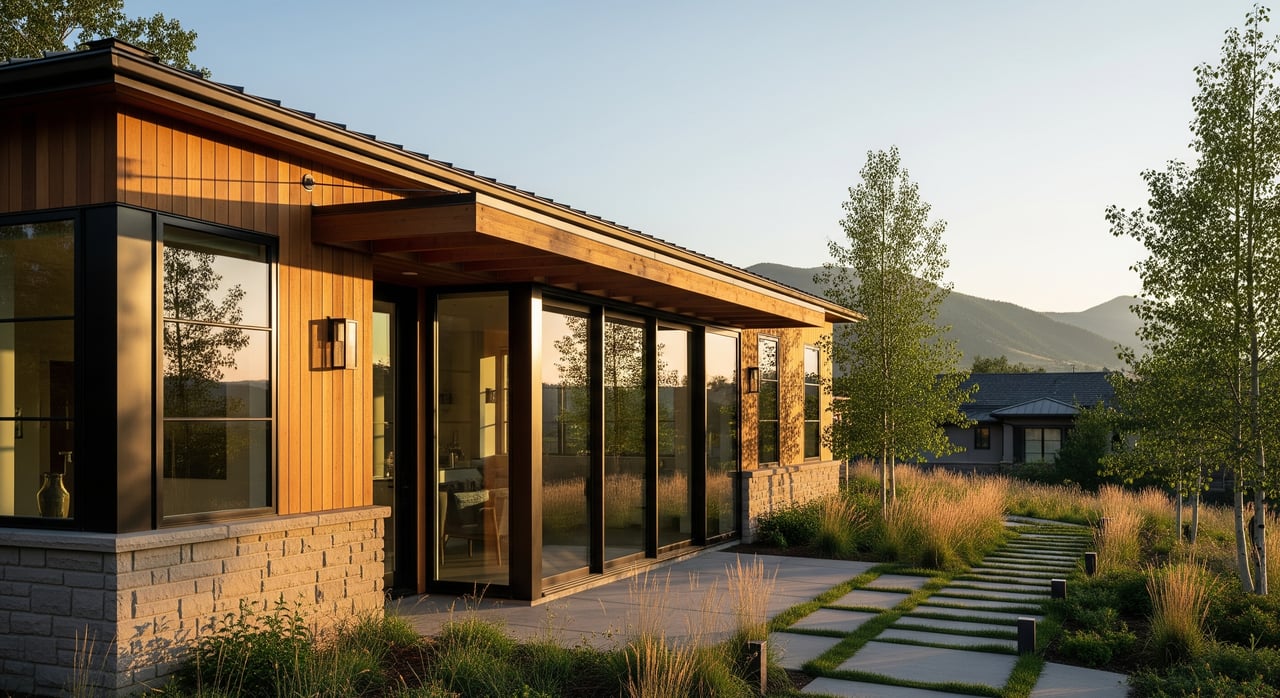
ADU Basics in Louisville: What Owners Should Know
December 4, 2025
December 4, 2025
Thinking about adding an accessory dwelling unit to your Louisville home? Maybe you want room for a parent, flexible space for a studio, or steady rental income. Building an ADU can be a smart move, but success starts with understanding the local rules, budget, and process. This guide gives you clear basics, Louisville-specific checks to make, cost and timing ranges, and a step-by-step plan to get started. Let’s dive in.
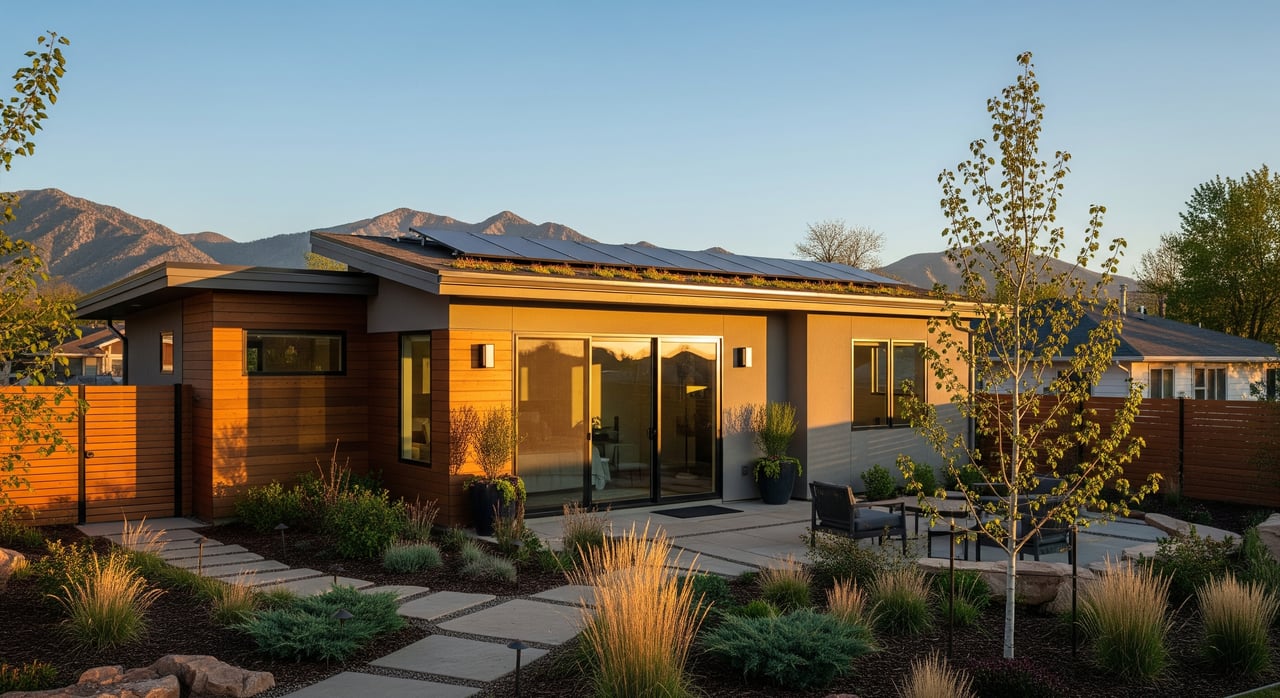
An accessory dwelling unit is a secondary housing unit on the same lot as your primary single-family home. It has independent sleeping, cooking, and sanitation, plus a separate entrance.
Common ADU types include:
Homeowners in Louisville often use ADUs for multigenerational living, long-term rental income, potential short-term rentals, or a flexible office or studio. An ADU can add usable space and rental potential. It also typically increases assessed value, which means higher property taxes.
Local codes and policies change. Before you spend money on plans, confirm current requirements with the City of Louisville Planning and Building Division. If your property is outside city limits or subject to county overlays, consult Boulder County Land Use as well. Your HOA or private covenants may also restrict ADUs.
Start with your property’s zoning district and any overlay areas like floodplain, historic, or neighborhood plans. Many cities allow ADUs in single-family zones, but the rules differ by district. Verify whether your Louisville zone allows an ADU on your specific parcel.
Municipal codes usually set a maximum ADU size. Limits may be a square footage cap or a percentage of the main dwelling. Do not assume a number. Check the current Louisville code for the maximum allowed gross floor area and whether there is a cap on the number of accessory units per lot.
Detached ADUs must meet rear and side yard setbacks, height limits for accessory structures, and lot coverage rules. Some areas also require compatible exterior materials or other design standards, especially near historic or conservation districts. Confirm these requirements for your parcel.
Some jurisdictions require one additional parking space for an ADU. Others provide exceptions, especially for internal conversions or areas near transit. Verify Louisville’s current parking rules and any applicable waivers.
Owner-occupancy rules vary by city. Some require you to live on the property if there is an ADU. Check Louisville’s current stance, and confirm any minimum lease terms or rental registration requirements if you plan to rent long term.
Short-term rentals often have separate rules, licensing, inspections, and tax remittance. Confirm whether ADUs are eligible for short-term rental use in Louisville and what business licensing or safety compliance is required.
Expect to need building permits and trade permits for electrical, plumbing, and mechanical work. Conversions may also need demolition permits. Most projects require final inspections and a Certificate of Occupancy or similar approval before anyone can legally live in the unit.
Separate water, sewer, or electric meters may be required in some cases. Water and sewer tap or capacity fees can apply, especially for detached units. Confirm requirements with local utility providers and the sanitation district early in the planning.
If your property uses a septic system, capacity can limit or block an ADU. Even on municipal service, you will need to meet stormwater and drainage rules for new structures, along with any limits on impermeable surfaces. Identify existing utility lines and easements before you design a footprint.
An ADU will typically increase your assessed value. Contact the Boulder County Assessor to understand how improvements are valued and how changes might affect your property tax bill. Rental income is taxable on your state and federal returns, and short-term rentals may also trigger local business taxes.
Use this checklist to gauge whether an ADU is realistic on your lot before you hire a designer:
If your quick review looks positive, you are ready to speak with the City of Louisville, a designer, and a contractor about specifics.
Costs vary by scope, finishes, and site conditions. In Boulder County, local labor, materials, and permitting can push higher than national averages.
Typical timelines look like this:
Weather, site constraints, and permit backlogs can add time, so build in a buffer.
Homeowners often use a mix of financing. Options can include cash, a construction loan, a renovation refinance, a home equity loan or HELOC, a portfolio rental loan, or private investors. Check for any local incentives, fee reductions, or housing programs, since some municipalities offer temporary fee relief to support ADUs. Eligibility and availability vary.
Speak with local lenders and the city’s planning and building staff early. Clarify documentation needs and how separate meters or rental restrictions might affect your lending and project plan.
Update your homeowners insurance before construction. If you plan to rent the unit, talk to your carrier about a landlord or dwelling fire policy. Verify safety requirements such as smoke and carbon monoxide detectors, egress windows, and handrails to meet local building code.
When you rent, comply with fair housing laws. Treat all applicants equally and follow federal and state protected class rules.
Follow this process to get from idea to occupancy with fewer surprises.
If you are weighing an ADU for multigenerational living or rental income, the right plan starts with local insight. Our boutique team works on investor and ADU deals across Boulder County, and we combine neighborhood-first guidance with design-savvy listing and staging support when it is time to buy or sell.
Have questions about your specific lot or timing? Reach out to our team at Due South Realty for friendly, local guidance.
January 15, 2026
January 1, 2026
December 18, 2025
December 4, 2025

November 21, 2025
November 6, 2025

October 16, 2025

Real Estate
October 9, 2025
Upgrade Your Louisville Home with These Must-Have Smart Devices
Real Estate
September 25, 2025
Enhance Your Lafayette Home with Eco-Friendly Improvements
Our mission is to actively serve our community, not passively but proactively. We aim to overcome uncertainty with clarity, choosing not to disengage but to actively engage and build upon ideas within our community. Through buying and selling homes, we aspire to help people fulfill their dreams.

802 S PUBLIC RD STE A LAFAYETTE CO 80026